 Do you like jigsaw puzzles as a way to relax? Jigsaw puzzle brain benefits include improved memory, enhanced focus, reduced stress, and long-term cognitive stimulation for adults of all ages.
Have you ever noticed how time seems to disappear when you’re deep into a puzzle?
That quiet sense of focus, the small thrill of fitting a piece just right, and the satisfaction when an image finally comes together are not accidental feelings.
Science shows that puzzles activate powerful brain systems that reward focus, problem-solving, and persistence.
Table of Contents
Dopamine: The Brain’s Reward Chemical at Work
One of the main reasons puzzles feel so good is dopamine. Dopamine is a neurotransmitter linked to motivation and reward.
Every time you find a matching piece, solve a section, or make visible progress, your brain releases a small burst of dopamine.
This mini-reward system keeps you engaged without overwhelming your senses.
Unlike fast digital stimulation, puzzles provide steady, earned rewards that feel meaningful.
That’s why completing a 1000-piece jigsaw puzzle or a challenging brain teaser feels deeply satisfying rather than exhausting.

Pattern Recognition and the Joy of Order
Humans are wired to recognize patterns—it’s a survival skill turned source of pleasure.
Puzzles tap directly into this instinct. Sorting by color, edge shape, or image details activates the brain’s visual and spatial processing centers.
As your brain identifies patterns and predicts outcomes, it experiences a sense of order and control.
This is why puzzles featuring detailed artwork—such as landscape jigsaw puzzles, vintage illustrations, or fine-art reproductions—are especially engaging.

This beautiful 1000-piece lake sunset jigsaw puzzle features a calming natural landscape that invites relaxation, focus, and mindful enjoyment. Perfect for family game nights or quiet evenings, it offers a rewarding challenge while creating a frame-worthy piece of art for home décor once completed.
Cognitive Flow: Losing Yourself in the Moment
Puzzles are one of the easiest ways to enter a state of cognitive flow.
Flow occurs when a task is challenging enough to hold attention but not so difficult that it causes frustration.
In this state, distractions fade, self-consciousness quiets, and time feels altered.
This is why many people turn to puzzles to unwind after stressful days.
Whether it’s a 1000-piece puzzle, a wooden brain teaser, or a logic puzzle book, the brain becomes fully absorbed in the present moment.

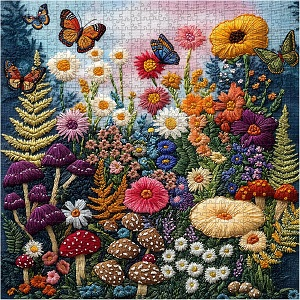
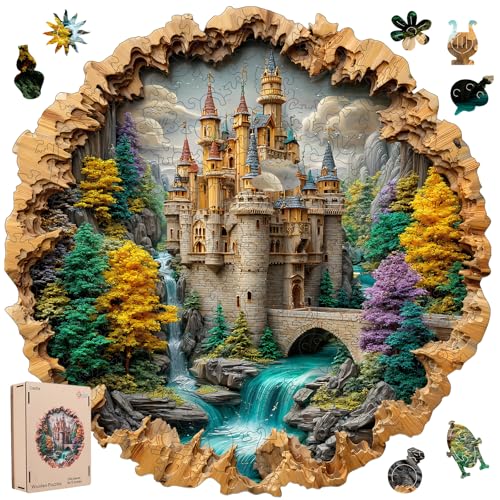
Each piece is carefully designed with unique shapes, which can exercise your thinking skills and patience. 10 Special Shaped Pieces: Including adorable kittens, lively rabbits, freely flying birds, and agile dolphins...each puzzle experience is filled with surprises and fun.
How Puzzles Train and Strengthen the Brain
Beyond enjoyment, puzzles actively train the brain.
Regular puzzle-solving strengthens memory, improves problem-solving skills, and supports long-term cognitive health.
This means that jigsaw puzzle brain benefits go beyond simple relaxation for this popular hobby.
Studies suggest puzzles may help maintain mental sharpness by encouraging new neural connections.
Jigsaw puzzles improve visual-spatial reasoning, while crossword and logic puzzles enhance language processing and critical thinking.
A Simple Pleasure with Powerful Benefits
Puzzles are more than a hobby; they’re a scientifically backed way to support brain health while enjoying meaningful relaxation.
Whether you prefer jigsaw puzzles for adults, wooden puzzles, or brain games, each piece you place is strengthening your mind while giving your brain the satisfaction it craves.